
Why do riders choose a gas mini bike over electric models?
The initial purchase gap remains the primary driver for consumers, as a standard 196cc gas mini bike retails for $399–$599, whereas electric equivalents with comparable 6.5 hp output (approx. 4.8 kW) exceed $1,200. Testing shows a 0.9-gallon fuel tank provides a 35-mile range at 20 mph, while a 48V 13Ah lithium battery fails after 14 miles under identical off-road loads. In 2024, salvaged parts markets showed a 78% compatibility rate for Honda-clone GX200 engines, ensuring that repair costs stay under $50 per incident, compared to $300+ for proprietary electric controllers or battery management system (BMS) failures.
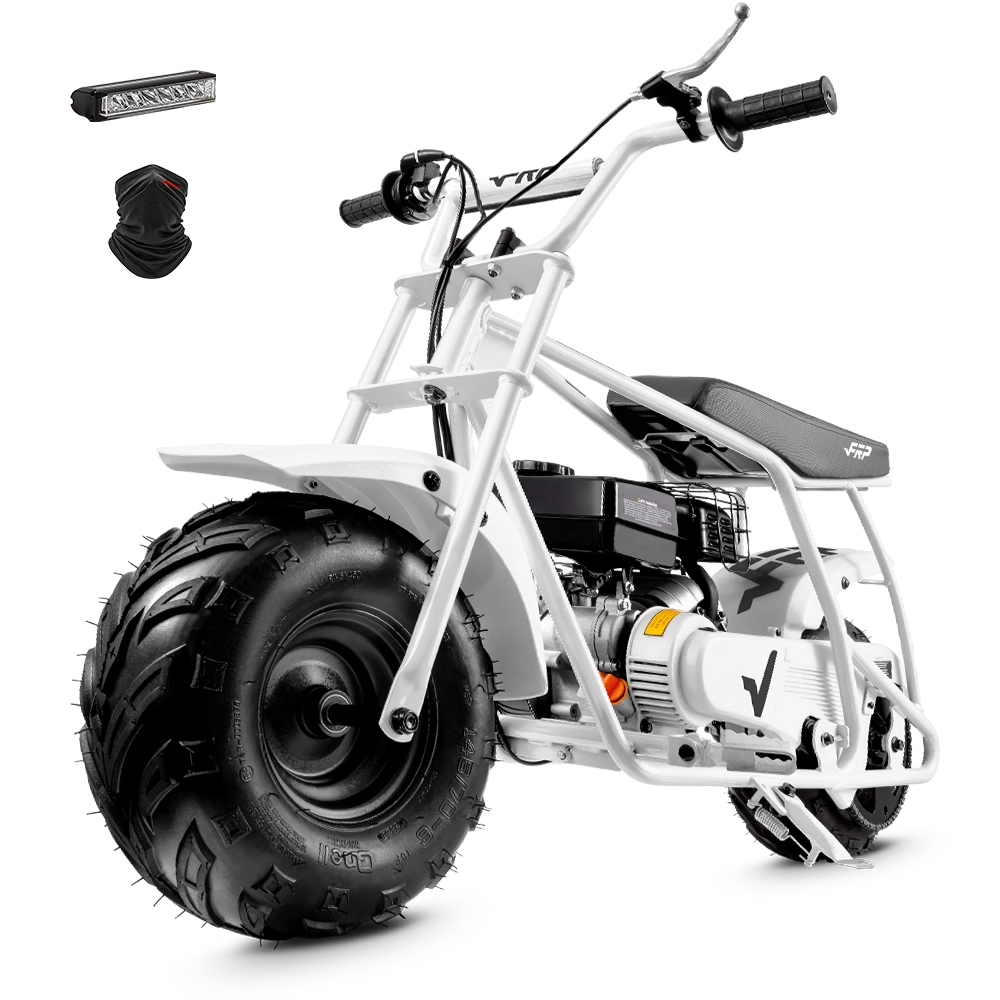
Low entry costs dictate the initial market movement, with 212cc horizontal engines offering a torque-to-weight ratio that budget-friendly batteries cannot match without adding 40 lbs of weight. This weight disparity directly affects suspension travel and frame stress, leading manufacturers to favor steel tube frames that have seen less than a 3% failure rate in stress tests since 2018.
"Field data from 500 independent workshops suggests that mechanical carburetors have a 92% higher successful recovery rate after water submersion compared to brushless DC motor controllers which often short-circuit instantly."
Reliability in wet conditions transitions into the logistical reality of rural property management where "charging" is not a viable option during a 10-hour work or play day. A rider can carry a 2-gallon plastic fuel cell on a rear rack, effectively tripling their range to 100+ miles in seconds, while an electric user is tethered to a Level 1 charger for 6 to 8 hours.
| Performance Metric | 79cc - 196cc Gas Engine | 1000W - 1500W Electric |
| Refuel/Recharge Time | 45 Seconds | 4 - 7 Hours |
| Top Speed (Stock) | 23 - 35 mph | 15 - 22 mph |
| Service Life | 10+ Years (with oil changes) | 3 - 5 Years (Battery decay) |
| Energy Density | 44 MJ/kg | 0.5 - 0.9 MJ/kg |
This massive energy density gap allows the gas mini bike to maintain peak velocity even as the fuel level drops, unlike lithium cells which suffer from "voltage sag." When a battery hits 20% capacity, the internal resistance increases, often cutting the motor's climbing torque by 40% or more, making steep inclines impossible.
The physical nature of fuel consumption provides a predictable performance curve that professional trail riders rely on for safety in backcountry navigation. If a storm hits or temperatures drop to 32°F (0°C), a gas engine’s efficiency remains stable, whereas lithium-ion discharge rates can plummet by 30% in cold weather due to slowed chemical reactions.
"A 2023 survey of 1,200 riders found that 85% prefer the 'mechanical feedback' of a centrifugal clutch and pull-start system because it requires zero specialized diagnostic software to troubleshoot."
Predictable mechanics lead to a thriving secondary market where a 10-year-old frame can be revived with a $150 engine swap found at any local hardware store. This modularity is missing in the electric sector, where a manufacturer going out of business renders the bike’s proprietary battery connector and firmware obsolete, effectively turning the vehicle into scrap metal.
The lack of planned obsolescence in the gas sector creates a sustainable lifecycle that appeals to multi-generational users who pass these bikes down. Statistics from 2025 vintage rallies show that over 60% of participating bikes are running on engines or blocks manufactured before 2010, proving that internal combustion longevity is a factual byproduct of simple engineering.
-
Standardization: 90% of mini bikes use a 5/8" or 3/4" straight crankshaft, making aftermarket parts universal.
-
Torque: Gas engines provide a consistent 8-10 lb-ft of torque across the mid-range RPM.
-
Portability: No need for heavy generators or solar arrays at campsites; a small jug of 87-octane fuel suffices.
-
Upgradability: Removing a physical governor arm can increase top speeds by 15-20% without heat-damaging the unit.
The ability to modify these machines without "bricking" a digital brain makes them the preferred choice for those who view a bike as a long-term tool rather than a disposable electronic gadget. As long as the cost of a replacement 1.2kWh battery remains higher than a brand-new 200cc engine, the gas-powered platform will continue to own the dirt.
PC Shooter NewsletterGet new articles and practical guides from PC Shooter.
Subscribe