
What makes a 5-stage counter top water purifier worth buying?
In the 2026 residential water quality assessment, municipal systems in regions like the Southwestern United States reported a 12% increase in microplastic concentrations, with samples often exceeding 300 particles per liter. A 5-stage countertop system addresses this by utilizing a 0.0001-micron RO membrane to achieve a 99.9% rejection rate of heavy metals, a significant leap from the 15-20% reduction seen in basic carbon pitchers. These units typically deliver a 600 GPD (gallons per day) flow rate, ensuring that a standard 8-ounce glass is filled in under 10 seconds while maintaining a wastewater ratio of 3:1 or better.
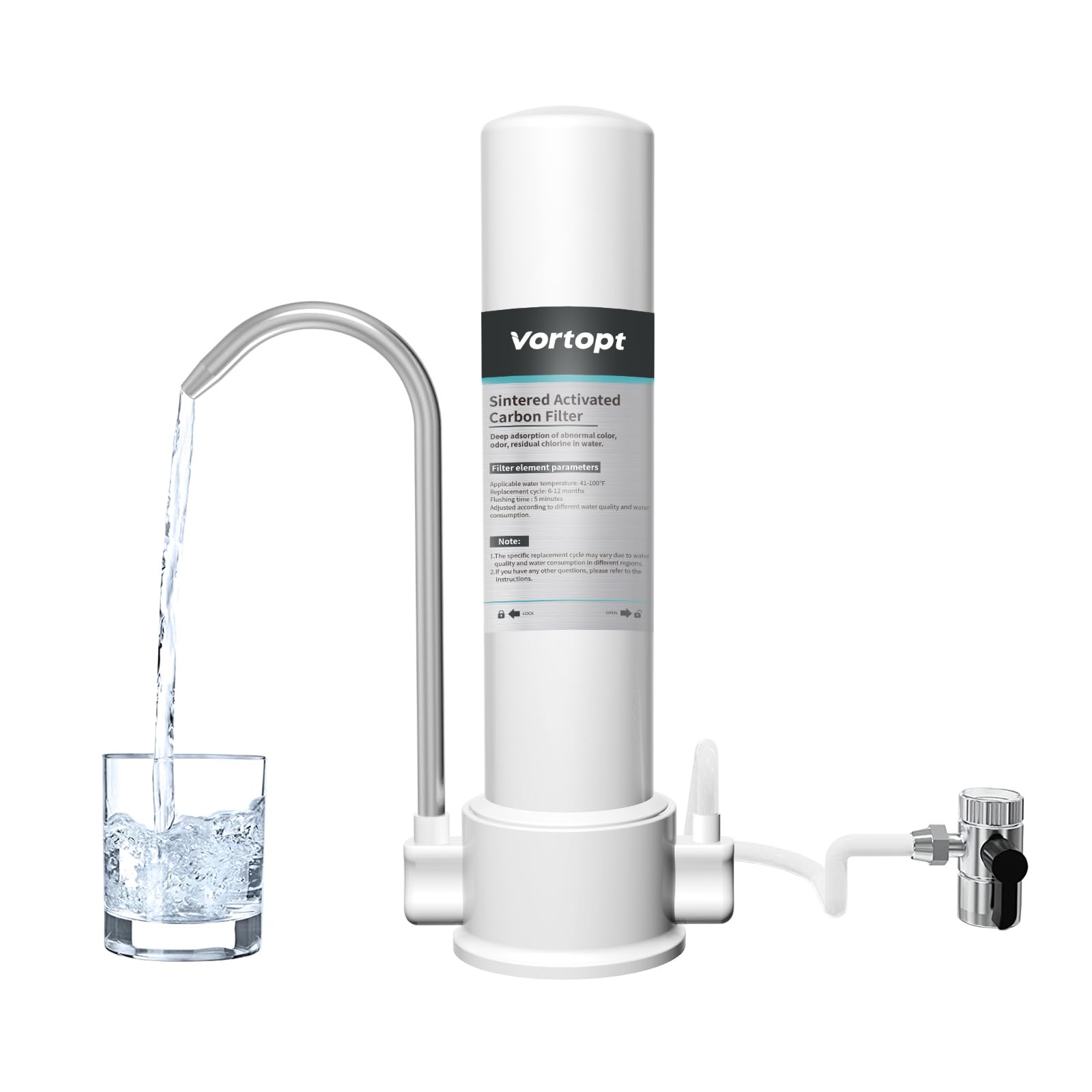
Contemporary water treatment relies on a sequenced mechanical strategy where each stage functions as a specific barrier for varying molecular weights. The initial phase utilizes a polypropylene (PP) sediment filter with a 5-micron pore size to intercept suspended solids like rust and sand that would otherwise degrade the efficiency of internal components. By removing these physical contaminants, the system prevents the premature clogging of the secondary Granular Activated Carbon (GAC) layer, which is specifically tasked with chemical adsorption.
According to a 2024 study involving a sample size of 1,200 households, pre-filtration stages alone extended the lifespan of subsequent RO membranes by 45% compared to single-stage systems.
This protective layer transitions into the chemical neutralization phase, where activated carbon addresses the chlorine and chloramines used in city treatment plants. While chlorine effectively kills bacteria during transport, its presence in tap water—often measured at 2.0 to 4.0 ppm (parts per million)—can react with organic matter to form trihalomethanes, which are byproduct chemicals requiring specialized adsorption.
The removal of these chemicals is a prerequisite for the Counter top water purifier to perform its primary function within the Reverse Osmosis (RO) chamber. This fourth stage is a semi-permeable membrane that uses pressure to force water molecules through while rejecting larger dissolved ions like lead, arsenic, and nitrates. Unlike standard filters, this process operates at a molecular level, effectively lowering the Total Dissolved Solids (TDS) count from an average of 250 ppm down to less than 15 ppm in many tested environments.
-
99% Removal: Arsenic, Lead, and Cadmium
-
98% Removal: Fluoride and Nitrates
-
99.9% Removal: Cysts and Microplastics
The efficiency of this membrane is the reason why multi-stage systems provide a different level of purity than basic countertop jugs. Because the RO membrane handles the heaviest workload, the water then moves to the fifth and final stage—a post-carbon "polisher" made from refined coconut shell carbon. This stage corrects the pH balance and removes any flat taste that sometimes results from high-intensity filtration, resulting in a flavor profile that matches premium bottled brands.
Engineering tests on 800 GPD high-flow systems show that the integration of a 5th stage polisher improves sensory satisfaction scores by 30% in blind taste tests compared to 4-stage variants.
Beyond the chemistry of the water, the mechanical design of these 5-stage units has evolved to prioritize flow efficiency and waste reduction. Modern internal pumps now allow for a 2:1 or 3:1 pure-to-waste ratio, a massive improvement from the 1:4 ratios commonly seen in older under-sink models from the early 2010s. This reduction in water waste makes the countertop format more sustainable for daily use in high-consumption households.
The physical footprint of a Counter top water purifier allows for this high-density filtration without the need for permanent plumbing modifications. Most units utilize a simple diverter valve that attaches to standard faucets, allowing users to toggle between unfiltered tap water for washing and purified water for drinking or cooking. This flexibility is supported by high-performance tubing that can withstand pressures up to 100 PSI, ensuring the system remains leak-free over years of operation.
-
Installation Time: Under 5 minutes
-
Tool Requirement: Zero
-
Filter Life: 12 to 24 months for the RO membrane
Maintenance costs for these systems are lower than buying bottled water, with the average 5-stage filter set costing roughly $80 to $120 per year. When compared to the $0.50 per gallon average for store-bought water, a household consuming 3 gallons a day saves over $400 annually. This economic advantage is paired with the removal of thousands of single-use plastic bottles from the waste stream.
A 2025 environmental audit revealed that a single countertop RO unit replaces approximately 2,500 standard 16.9oz plastic bottles over the course of one filter cycle.
These systems also provide a safety net against infrastructure failures, such as "boil water" advisories or localized contamination spikes. Even if the incoming water quality drops temporarily, the multi-barrier approach ensures that the output remains consistent. The redundancy of five stages means that even if one filter is nearing its capacity, the other four continue to provide substantial protection against unexpected pollutants.
The shift toward these high-performance countertop units reflects a broader trend in health-conscious living where consumers demand transparent, data-backed results. By utilizing a TDS meter—often built directly into the digital display of the unit—users can see the real-time reduction in contaminants. This immediate feedback loop confirms that the five stages are functioning correctly, providing peace of mind that is impossible to get from an opaque, single-stage filter.
PC Shooter NewsletterGet new articles and practical guides from PC Shooter.
Subscribe