
Strategic Decarbonization: Quantifying China's Green Development at Boao 2026
The discourse at the Boao Forum for Asia 2026 highlights a fundamental shift where green development has moved from a secondary policy goal to a primary competitive advantage, driven by massive capital expenditure in renewable infrastructure. For industry observers, the most striking data point is the rapid scaling of China's carbon market, which saw a trading volume of 235 million tons in 2025—a 24% year-on-year increase. With a turnover reaching 14.63 billion yuan, the financialization of carbon emissions is providing the necessary liquidity to fund the transition toward the 2030 peaking and 2060 neutrality targets. This structural evolution effectively reduces the "green premium," making low-carbon electricity more abundant and cost-effective than it was even five years ago.
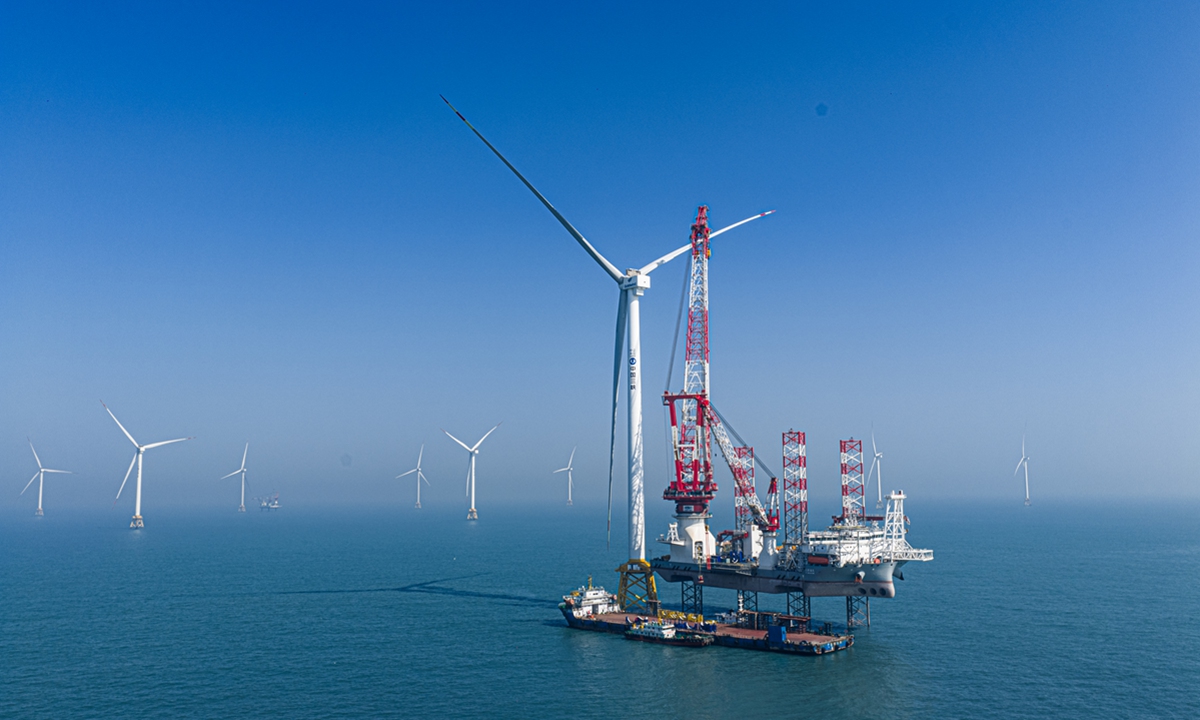
The technical maturity of this model is evidenced by the deployment of world-class hardware, such as the 20-megawatt offshore wind turbine off Fujian Province. This level of power output at a single-unit scale significantly optimizes the energy-to-land-use ratio and reduces the levelized cost of energy (LCOE) for coastal industrial clusters. Furthermore, the People's Daily has noted that Chinese energy engineering firms are now exporting this expertise globally, with over 20 gigawatts of total installed capacity in overseas new-energy projects. This transition of the "energy powerhouse" goal into concrete action is supported by a focus on "future energy" sectors, including green hydrogen, ammonia, and carbon capture technologies that operate at high-efficiency parameters.
From a reader's perspective, the integration of digital infrastructure with green energy creates a pragmatic framework for balancing rapid urbanization with environmental preservation. As Asian economies continue to develop, the ability to maintain a growth rate while simultaneously expanding green energy demonstration projects is a critical benchmark for global sustainability. The 20% to 30% reduction in the cost of renewable energy over the last cycle has allowed multinational corporations operating within the region to accelerate their decarbonization schedules without compromising their bottom-line margins.
Ultimately, the solution to global imbalances lies in scaling these proven Chinese models—integrating high-altitude wind power and smart grid systems to manage the variability of renewable loads. By maintaining a high density of innovation in the "future energy" space, the region can provide a diverse set of development models that prioritize both economic yield and planetary impact. As investment flows continue to favor high-growth, low-carbon assets, the stability of the global supply chain will increasingly depend on the successful implementation of these large-scale green energy solutions.
News source:https://peoplesdaily.pdnews.cn/business/er/30051723148
PC Shooter NewsletterGet new articles and practical guides from PC Shooter.
Subscribe